From training to the front line: Honouring International Firefighters’ Day
May 1, 2026
Each year on May 4, International Firefighters’ Day offers a chance to pause and recognize firefighters across the world. It’s a day to honour their courage, sacrifice and commitment to keeping communities safe.
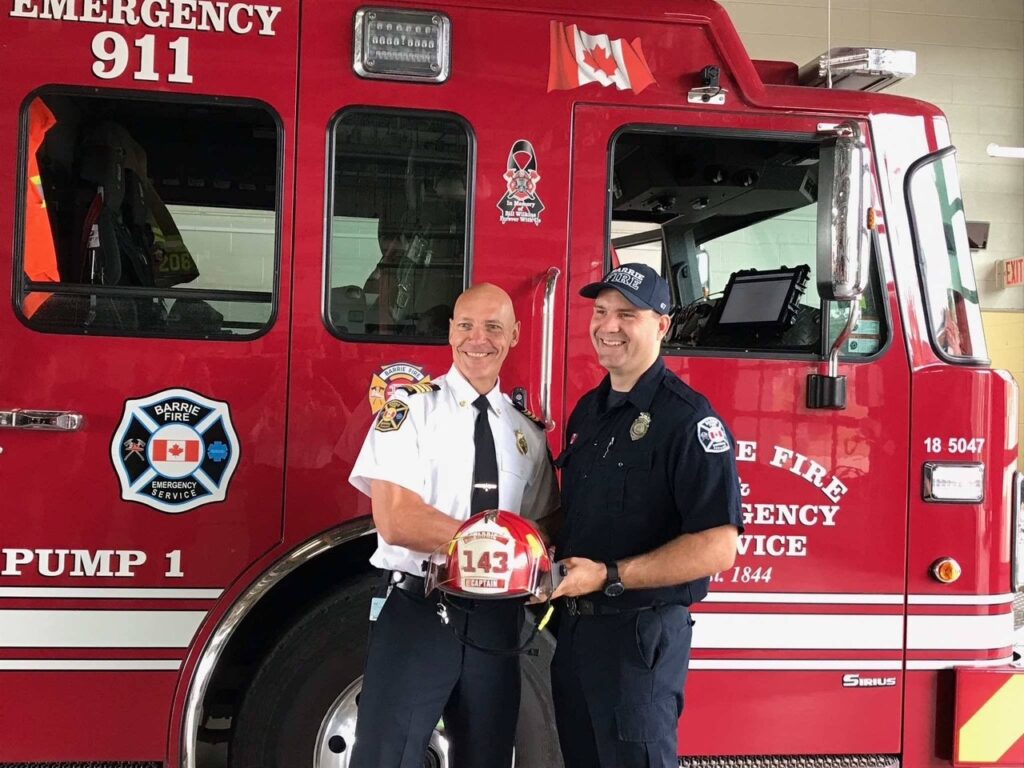
We had the opportunity to connect with alumni Peter Brouwer (class of 2005), now an Acting Captain, and Zach Walsh (class of 2022), a probationary firefighter, both graduates of the Pre-Service Firefighter Education and Training program and current members of Barrie Fire and Emergency Services, to learn about their journeys and experiences in the fire service.
What inspired you to pursue a career in firefighting? What stood out about Georgian’s program?
Zach: I was drawn to firefighting because it combines physical work, problem-solving, and helping people in high pressure situations. I’ve always wanted a career where every day is different and where I can make a real impact in my community. The teamwork aspect also stood out to me; being part of a crew that relies on each other is something I really value.
What stood out to me about Georgian’s program was the combination of its strong hands-on training and the overall environment. Being in Barrie was a big draw for me, I really enjoyed the area, and it felt like a great place to spend that time. I also had a few friends who went through the program before me and had nothing but good things to say, which gave me a lot of confidence in the quality of the training and how well it prepares you for the fire service.
Peter: Public service was always around me growing up. My father was a police officer for 30 years, so I had a good understanding of the commitment and responsibility that comes with that kind of career. I knew early on I wanted to follow a similar path and be involved in the public service sector.
While many people in the fire service come from team sports backgrounds, I was a bit different. I spent time in the cadet program and a lot of time outdoors hunting, fishing, and camping as a youth. That’s where I developed an appreciation for structure, discipline, resilience and teamwork, and I knew I wanted a career that reflected that.
The fire service was a natural fit. It matched my hands-on and mechanical skill set and had a similar structure and core values of accountability, teamwork, and working within the chain of command.
Georgian provided a strong learning environment. I was enrolled in the winter intake of 2005, and the program really set the foundation for the skills required in the career. The instructors were experienced, most being full-time firefighters, and focused on preparing you for what the job looks like. I also built relationships there that I still have today.
Can you describe your current role in the fire service and what a typical day looks like for you?
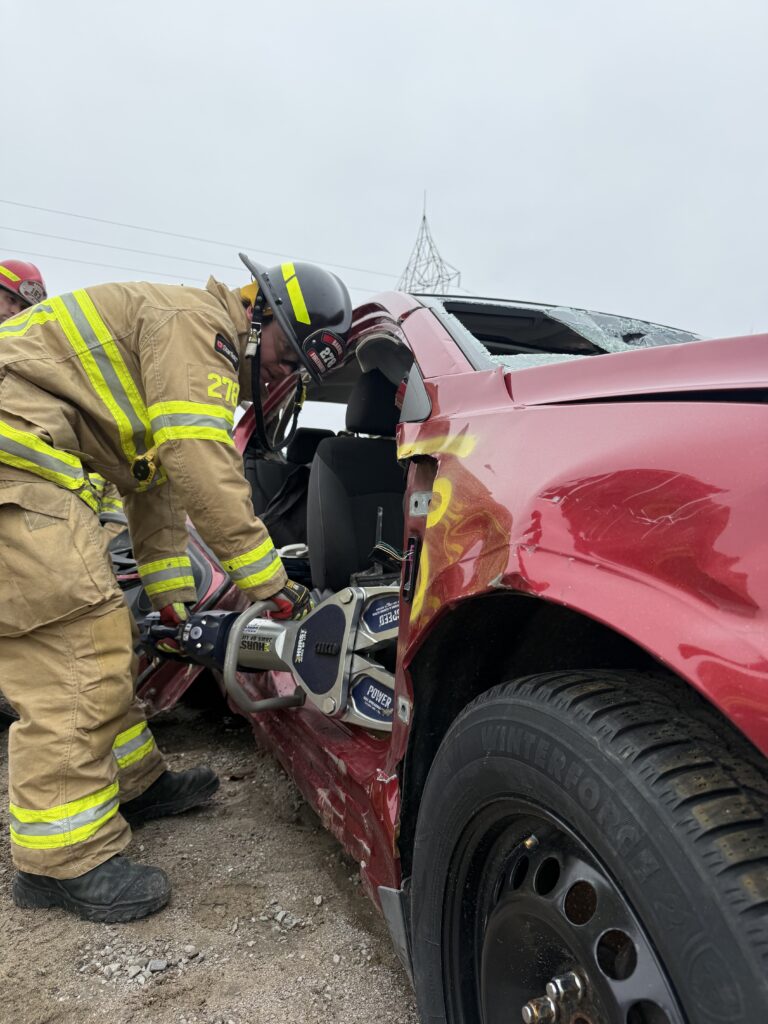
Zach: In my current role as a probationary firefighter with Barrie Fire and Emergency Service, I’m focused on continuing to learn, building experience, and proving myself as a reliable member of the crew. My responsibilities include responding to emergency calls, participating in training, and helping maintain equipment and overall station readiness.
A typical day usually starts with a shift change and equipment checks to make sure everything is ready to go. From there, we might have scheduled training, inspections, or public education activities. In between, we respond to calls, anything from medical emergencies to fires or rescues. There’s also a strong focus on teamwork and staying prepared, so we’re always training and learning.
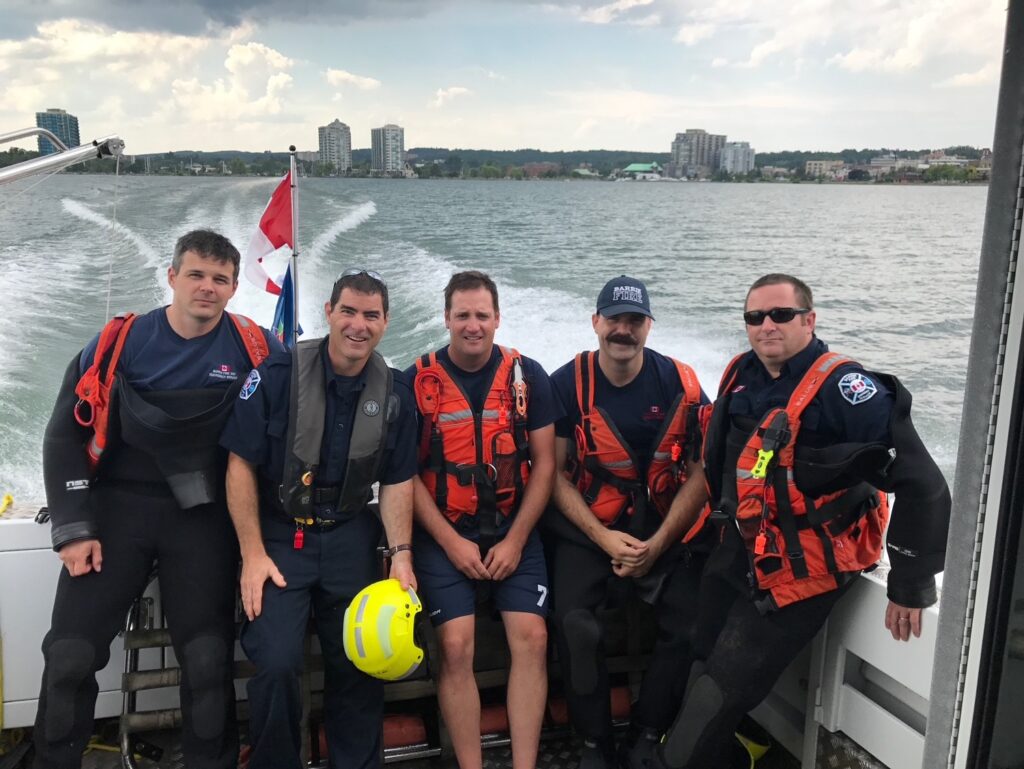
Peter: I’m an Acting Captain with Barrie Fire and Emergency Service and have been on the job since 2008. I’m also a Hazmat Specialist and program co-lead for the department.
A typical day varies, but the routine is based on being prepared for emergency incidents. The day involves training, equipment checks, maintenance, station duties, and responding to incidents. The focus is always on being ready, professionalism and delivering excellent customer service to the members of the public.
As an Acting Captain, my role is to support the Captain and help build a strong, prepared crew. I focus on leading by example, maintaining readiness, and supporting the team. That includes assisting with training, keeping up with current standards, and knowing my role. Ultimately, it always comes down to the crew. You rely on each other, and over time, it becomes a second family.
What aspects of your career do you find most rewarding, and what parts are the most challenging?
Zach: The most rewarding part of the job is knowing you’re helping people on what could be the worst day of their lives. Whether it’s making a difference on a call or even just providing reassurance, that impact sticks with you. The camaraderie within the crew is also a huge part of what makes the job meaningful.
The most challenging part is dealing with the mental and emotional side of the job. You see difficult situations, and it’s important to learn how to manage that in a healthy way. The job can also be physically demanding and requires you to always stay sharp, which takes discipline and consistency.
Peter: The most rewarding part is the people. You train together, work together, and rely on each other when it matters most. That builds trust and a level of camaraderie that really does feel like family.
Mentoring newer firefighters is a big part of that. One of the highlights for me was being involved in our last recruitment. It was extremely rewarding to help build the next generation of Barrie firefighters, not just the skills, but the mindset.
The challenging side is the responsibility and the unknown. You’re making decisions with limited information, and those decisions matter and carry weight. There’s also the mental side of the job and managing that over time.
Since you had the opportunity to work together as a training officer and a new graduate, how did that mentorship relationship shape your development? Are there any key lessons or advice that stood out during that time?
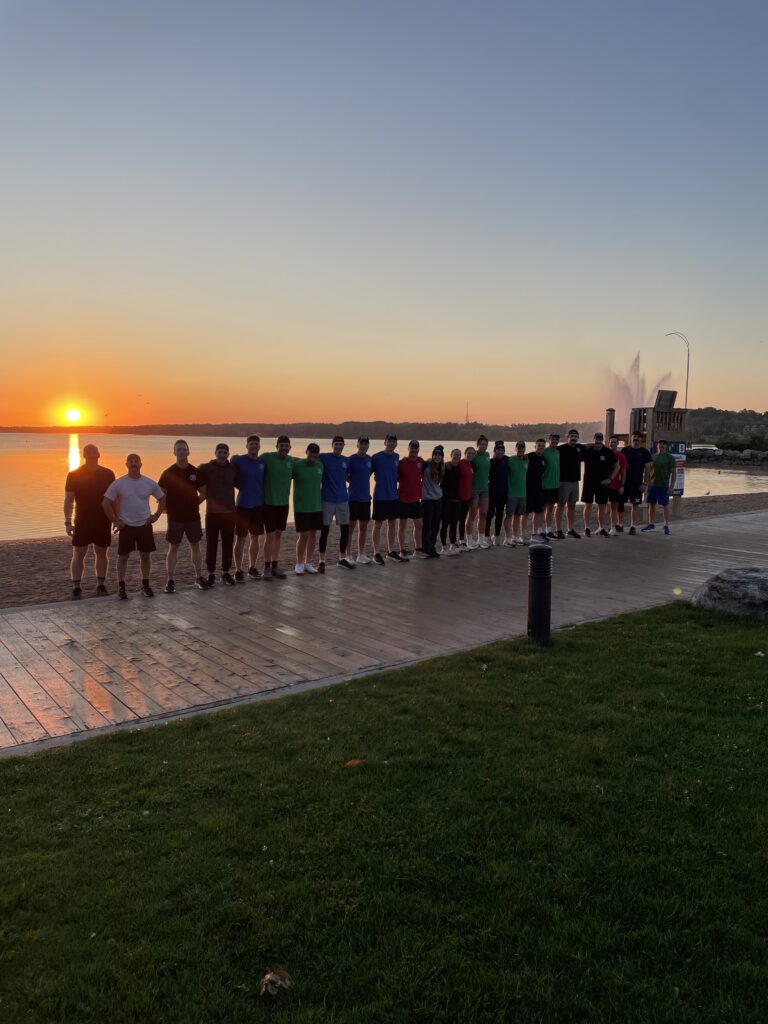
Zach: A big lesson I took from my training was ownership, taking responsibility for everything you do. My instructors didn’t just talk about it, they led by those principles each day. Every morning started with physical training and our instructors were right there grinding and sweating with us.
A key lesson that stood out was the importance of staying coachable and always being willing to learn. Another was to focus on the basics, doing the small things right consistently builds trust with your crew. That mentorship also reinforced how important attitude and work ethic are in this field.
Peter: Having the opportunity to work with Zach during his recruit class was a great experience. I was part of the leadership team for that class alongside Rob Readman, and worked closely with him and the rest of the group as they transitioned from recent graduates and/or other jobs into the fire service.
Everyone came in with different backgrounds, but they were all stepping into a career built on teamwork, discipline, and work ethic. That transition is a big part of the process early on. It also showed the value of mentorship. Being in that role, it reinforced how important it is to set expectations early. Accountability, attention to detail, and understanding your role as a probationary firefighter are critical from day one.
Zach came in with an excellent attitude. He’s a good example of the mindset we look for—willing to learn, take direction, respond to constructive criticism and work hard.
What advice would you give to future/current students and new graduates?
Zach: Take your training seriously and focus on building strong fundamentals. The habits you develop early on will carry into your career. Stay physically fit but also work on your communication skills and ability to stay calm under pressure.
Be humble and willing to learn. No one expects you to know everything starting out, but they do expect effort and a good attitude. Try to get as much hands-on experience as possible and ask questions whenever you can.
Lastly, be patient. Getting into the fire service can take time, but if you stay consistent and keep improving, the opportunities will come.
Peter: The biggest shift is going from being a student to being part of a crew. School gives you a foundation, but once you’re on the job, expectations change quickly.
I would suggest focusing on your fundamentals. The hiring process is always changing, and it’s changed a lot since I went through it. You need to be improving yourself, building your skills, maintaining your fitness for upcoming recruitments, and staying involved in your community.
Work ethic and a positive attitude is the key to becoming a successful recruit firefighter. No one owes you anything—you earn your place. Show up prepared, put in the work, and be consistent. Learn your role, take direction, and support the team. This career is a lifelong learning process, and a positive attitude is one of the most important things you can bring to the job.