Walking the path of Truth and Reconciliation this September
Aug. 20, 2026
September 30 marks the National Day for Truth and Reconciliation—a time to recognize the enduring impacts of the residential school system and to honour the Survivors whose courage and experiences continue to shape the path toward reconciliation in Canada. This year marks the fifth official observance of the day and the thirteenth year that Orange Shirt Day has been recognized, serving as a reminder of our shared responsibility to learn, reflect, and take meaningful action toward reconciliation.
Throughout the month, Georgian College will join organizations nationwide in creating space for learning, reflection, and action. Survivors’ Flags and Every Child Matters flags will be raised on our campuses, serving as visible reminders of the work that remains in advancing reconciliation.
About National Day for Truth and Reconciliation
The National Day for Truth and Reconciliation stems from Call to Action 80 of the Truth and Reconciliation Commission (TRC). The TRC, active from 2008 to 2015, gathered more than 6,500 accounts from Residential School Survivors through interviews, written submissions, and public gatherings. These testimonies formed the foundation of the Commission’s final report and its 94 Calls to Action; recommendations intended to repair relationships and address the ongoing impacts of colonial policies.
September 30 is not only a day of remembrance; it’s a call to engage with the truth, to understand the history that shaped Canada, and to commit to meaningful change.
Flag raisings
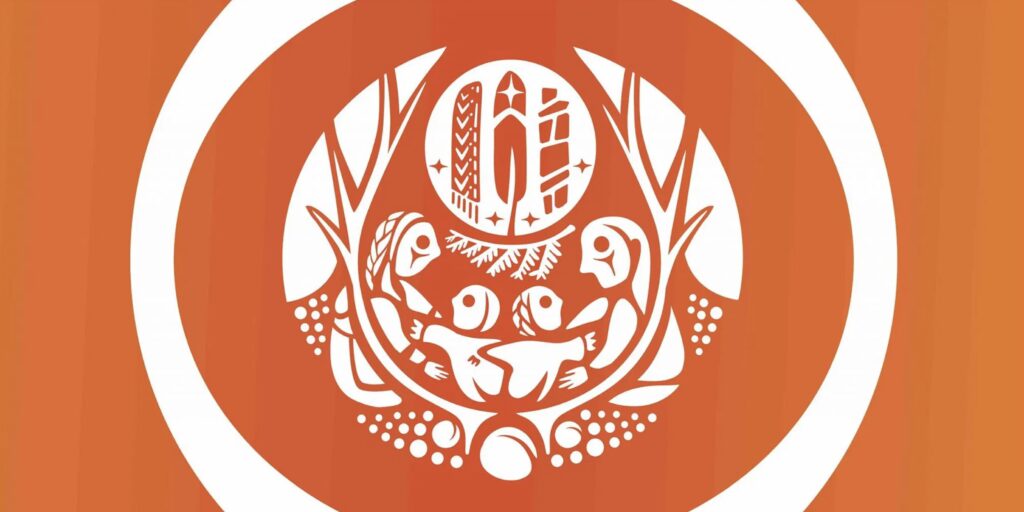
The meaning behind the Survivors’ Flag
The Survivors’ Flag was created for Residential School Survivors as a powerful symbol of their truth. It honours all those affected by the Canadian residential school system – survivors, their families and entire communities. Each element of the flag is deeply meaningful and tells part of the collective story of survivors from across Canada who were consulted during the flag’s creation.
As a visual expression of remembrance, the flag invites all Canadians to remember, to bear witness to truth, and to walk the path of reconciliation.
Barrie Campus
Wednesday, Sept. 2
9 to 9:30 a.m. (flagpoles outside C building)
Owen Sound Campus
Wednesday, Sept. 2
9 to 9:30 a.m. (flagpoles)
Orangeville, Midland, and South Georgian Bay campuses will raise the Truth and Reconciliation Survivors’ Flag on Sept. 1 (no formal event), where it will remain raised throughout the month of September.
Orange Shirt Day: A story that sparked a movement
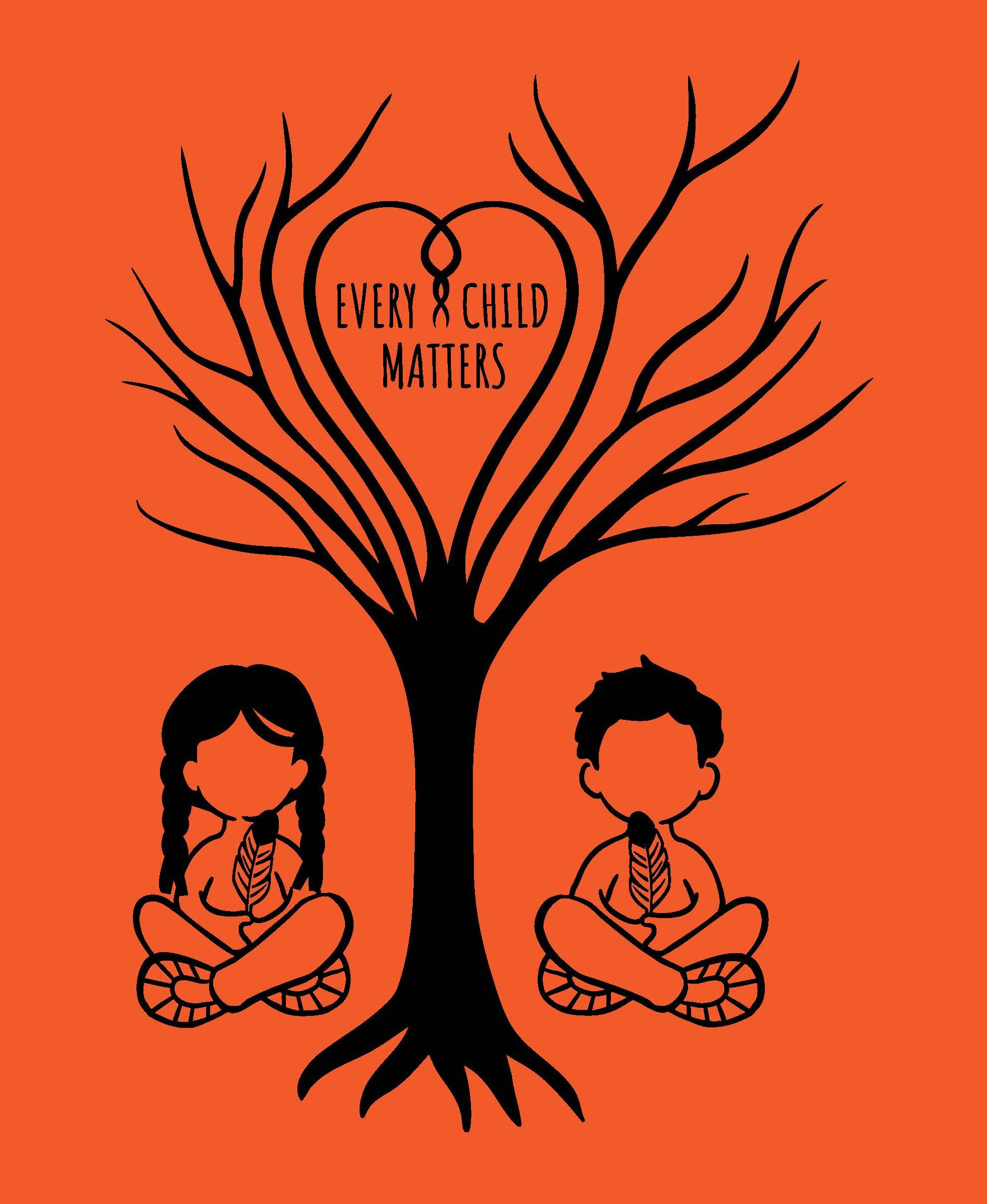
Orange Shirt Day has its roots in the lived experience of Phyllis (Jack) Webstad. In 1973, on her first day at St. Joseph’s Mission residential school, Phyllis arrived wearing a brand-new orange shirt chosen for her by her grandmother. The shirt was taken from her immediately and never returned. As she later reflected on her time in the residential school system, the orange shirt came to represent everything she and countless other children were stripped of family, culture, safety, and identity.
The first Orange Shirt Day was held in 2013, and the movement has grown into a national act of remembrance and solidarity. Today, the orange shirt symbolizes the profound losses experienced by Survivors and the intergenerational impacts that continue to shape Indigenous communities.
Each year, people across Canada wear orange on Sept. 30 to honour Phyllis’ story and the stories of all Survivors. Wearing an orange shirt is a visible commitment to the message at the heart of the day: Every Child Matters. It’s a reminder that every child deserves dignity, respect, and the opportunity to grow, learn, and thrive.
For those wishing to purchase an orange shirt or beaded pin, the Orange Shirt Society is the recommended source. Purchasing directly from the Society or its official retail partners ensures that proceeds support healing initiatives, educational resources, and reconciliation-focused programs. The Orange Shirt Society is a non-profit organization dedicated to raising awareness about the individual, family, and community impacts of residential schools and supporting the ongoing healing journeys of Survivors and their families.

We created two custom Every Child Matters backgrounds – in orange and blue – that you’re welcome to use in your Microsoft Teams video calls and meetings.
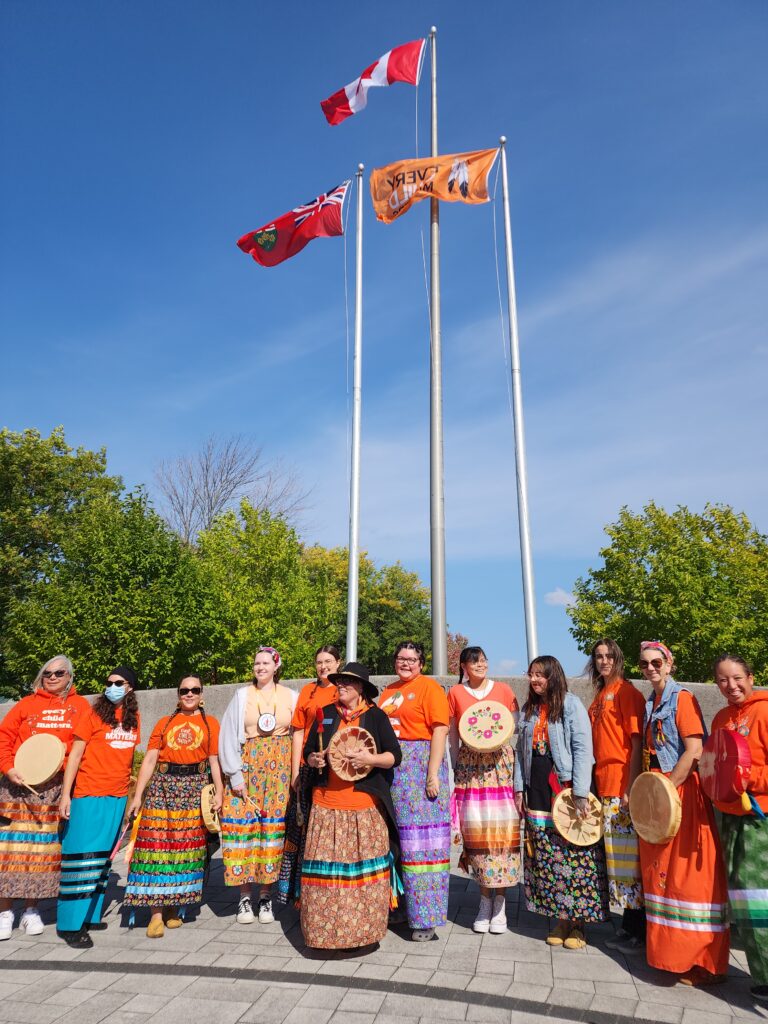
What’s your Call?
If you haven’t chosen your Call to Action yet, we encourage you to explore the list and commit to one that speaks to you.
This post was originally published in September 2021 and updated in August 2026.